After-work heat on command
Best for indoor cabins, scheduled routines, shared households, and users who value control.

Updated 2026-07-06. This guide contains SelectSaunas affiliate links. We may earn a commission if you buy through those links, at no extra cost to you. Product pages show current merchant offers; this guide uses price bands for planning.
Electric asks for the electrical project once and makes sessions easy. Wood asks for fire-tending every time and makes the session feel like an event. The better heater is the one that matches the evening you will actually repeat.
Best for indoor cabins, scheduled routines, shared households, and users who value control.
Best for remote pads, weekend sessions, off-grid builds, and people who want the fire.
Electric adds circuit cost; wood adds chimney, clearance, fuel, and maintenance.
Once the cabin is chosen, the heater decides what a session feels like and what the install costs. This is less a performance comparison than a lifestyle fork: the two heater types produce comparable temperatures but completely different evenings.
The catalog carries both across a wide range, from compact electric units for indoor cabins to stainless wood stoves for off-grid barrels, so the practical question is which friction you prefer: the electrician once, or the fire every time.
These are the checks that turn a broad sauna preference into a realistic shortlist before the catalog gets involved.
| Factor | Best case | Watchout | Action |
|---|---|---|---|
| Start-up | Electric: push button or scheduled control. | Wood requires a longer warm-up and attention. | Choose based on the time window you realistically have. |
| Install | Electric: dedicated circuit. Wood: chimney and clearances. | Ignoring either electrician cost or solid-fuel rules. | Quote the install path before comparing heater price. |
| Session feel | Electric holds a line; wood turns heat-up into part of the session. | Calling one universally better. | Match heater type to routine, not ideology. |
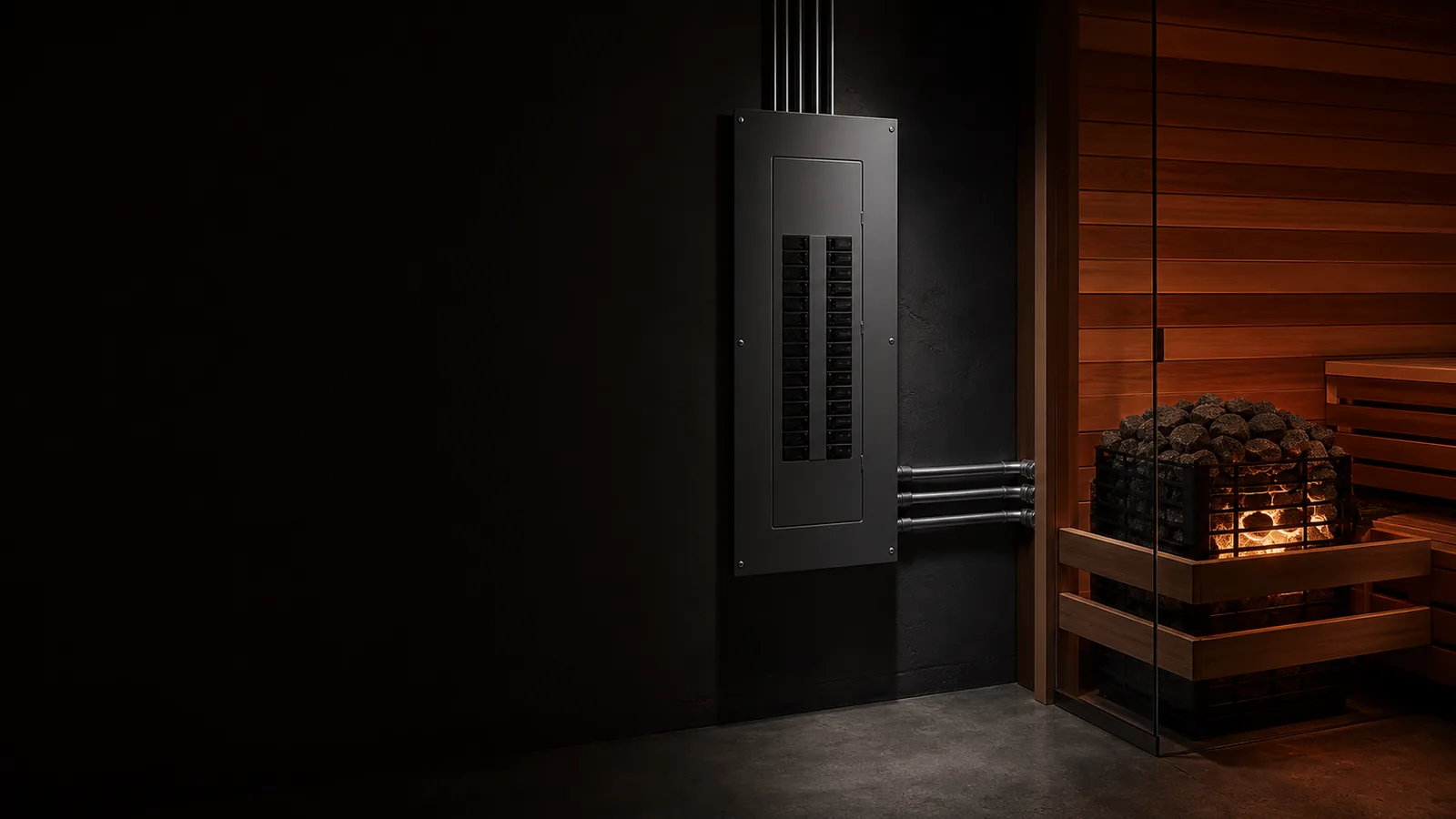
An electric heater turns the sauna into an appliance. Sessions start from a wall control or an app, temperature holds where you set it, and there is no ash, wood storage, or chimney maintenance. For after-work routines and indoor cabins it is the default answer, and for rentals or shared households the safety interlocks and timers matter.
The costs are the dedicated 240V circuit sized to the heater kilowatts and the ongoing electricity, which for typical sessions is modest. Control sophistication is the real spread between budget and premium electric units: contactor boxes, Wi-Fi scheduling, and multi-zone sensing arrive as the band rises.
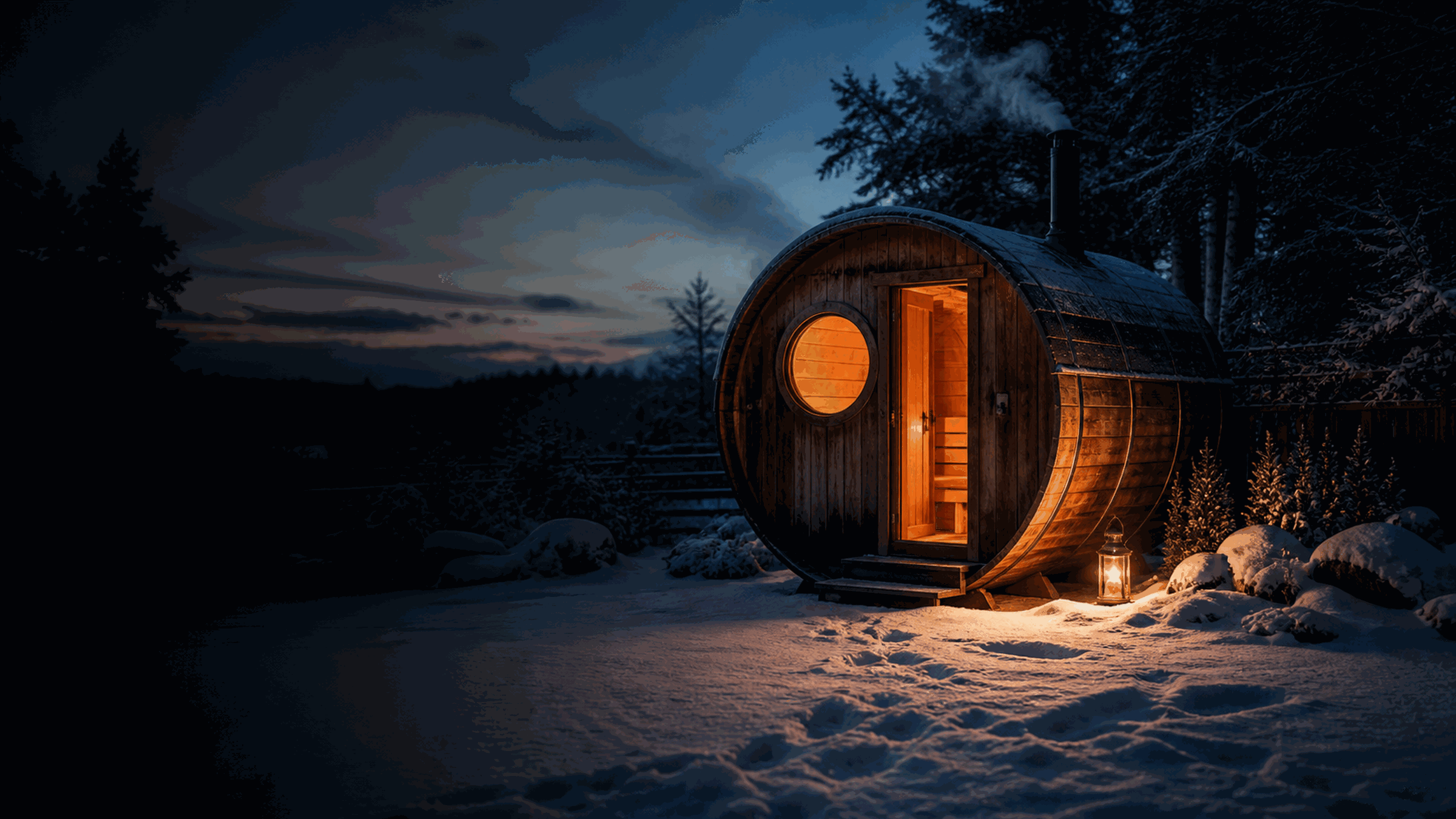
A wood stove makes heat a practice. Lighting, feeding, and reading the fire adds 45-60 minutes before the first round, and plenty of owners consider that the best hour of the week. There is no circuit to trench, which for a remote pad can save a four-figure electrical project, and the stove keeps working when the grid does not.
The tradeoffs are chimney installation with correct clearances, stove and flue maintenance, wood supply and storage, more temperature swing between rounds, and local solid-fuel rules that vary. Heat-shield accessories for barrel installs are a common companion purchase for exactly this reason.
Describe your normal session out loud. If it is thirty minutes between work and dinner, buy electric and put the saved hour into the sauna itself. If the session is the evening, or the site has no easy power, buy the stove and treat the fire as part of the purchase.
On budget: comparable-output heaters overlap heavily in the under-$3k band, so the decision cost lives in installation, not the unit. Electric moves money to the electrician; wood moves it to the chimney kit and clearance work.
These modules use the structured catalog to make the guide actionable. Bands are for planning; merchant pages carry current offers, availability, and package details.
Affiliate disclosure: links in these cards may earn Sauna Decision Lab a commission. We keep the fit logic and watchouts visible so the product module stays editorial, not just commercial.
Wood-fired heaters and stoves from the catalog.

Cozy Heat O Sauna Stove Wood Burning Sauna Stove, Up to 18kW is a sauna heater listing: match it to your cabin volume, confirm electrical or wood-fired venting requirements, and verify controls and stone capacity against the room before buying in the Under $3k band.

Cozy Heat O Thru-Wall Sauna Stove Wood Burning Sauna Stove, Up to 18kW is a sauna heater listing: match it to your cabin volume, confirm electrical or wood-fired venting requirements, and verify controls and stone capacity against the room before buying in the Under $3k band.

Cozy Heat OG Sauna Stove Wood Burning Sauna Stove, Up to 18kW is a sauna heater listing: match it to your cabin volume, confirm electrical or wood-fired venting requirements, and verify controls and stone capacity against the room before buying in the Under $3k band.
Electric units; match kilowatts to your cabin volume per the manufacturer chart.

Cozy Heat Chimney Cover OG H700 Chimney Cover, Black Stainless Steel, for OG Sauna Stoves is a sauna heater listing: match it to your cabin volume, confirm electrical or wood-fired venting requirements, and verify controls and stone capacity against the room before buying in the Under $3k band.

Cozy Heat Chimney Cover SW H700 Chimney Cover, Black Stainless Steel, for SW Sauna Stoves is a sauna heater listing: match it to your cabin volume, confirm electrical or wood-fired venting requirements, and verify controls and stone capacity against the room before buying in the Under $3k band.

Cozy Heat Grid H500 Chimney Cover, Grid, Black Stainless Steel is a sauna heater listing: match it to your cabin volume, confirm electrical or wood-fired venting requirements, and verify controls and stone capacity against the room before buying in the Under $3k band.
Air temperature can be identical. The felt difference comes from session dynamics: wood stoves swing more between stoking and settle into softer radiant heat, while electric holds a thermostat line. Many owners describe wood heat as gentler; instruments mostly disagree, rituals do not.
No: solid-fuel rules, clearance requirements, and air-quality restrictions vary by jurisdiction, and some dense areas restrict new wood-burning installs. Check local rules before buying the stove rather than after.
It depends on local electricity prices versus wood supply. Electric sessions typically cost modest single-digit dollars in power; wood is cheap-to-free with a supply and never free in effort. Installation cost differences usually outweigh running cost differences for years.