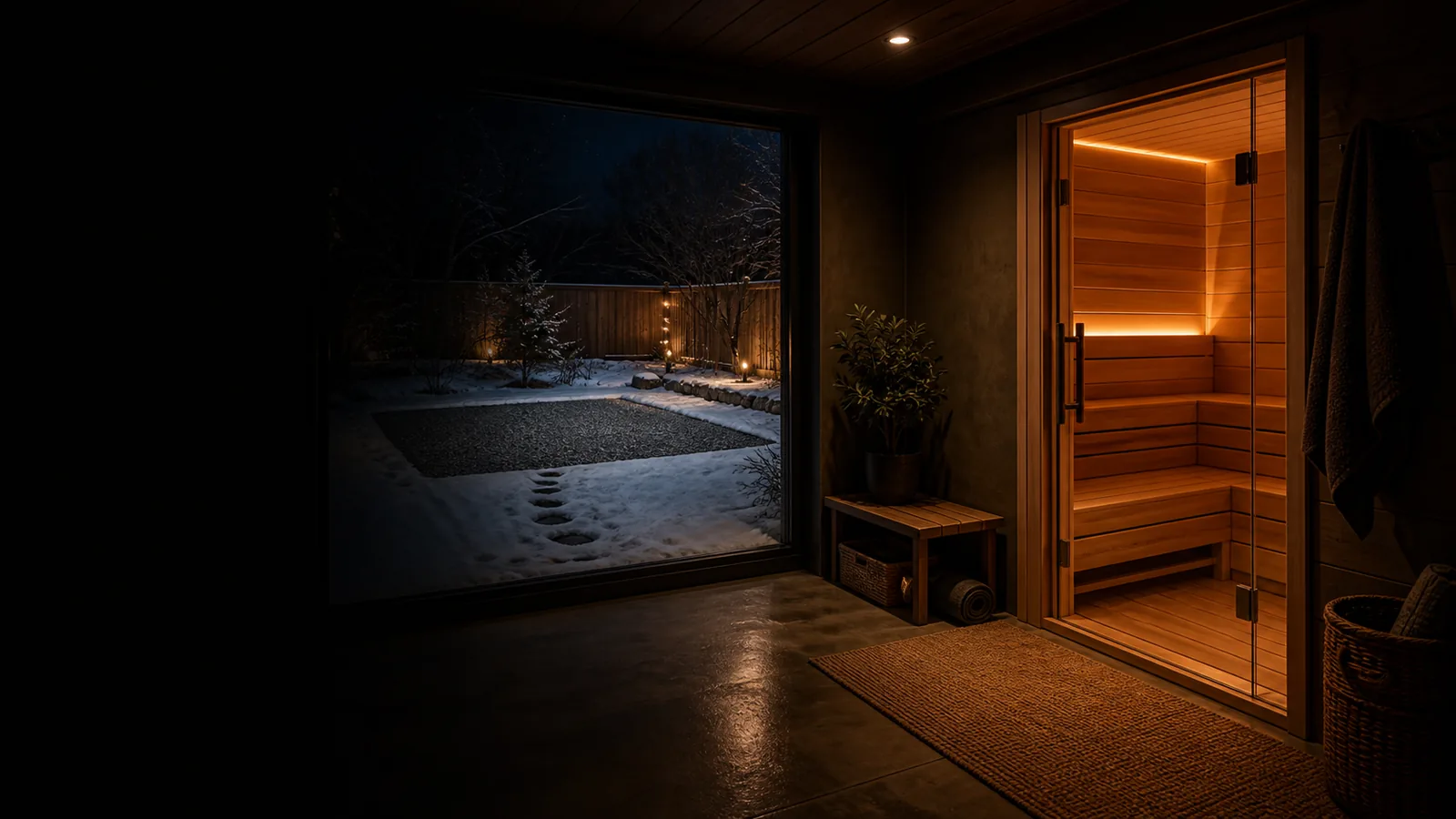
Compact infrared can be simple
Many 1-2 person cabins use a dedicated household circuit, but shared loads still matter.
Updated 2026-07-06. This guide contains SelectSaunas affiliate links. We may earn a commission if you buy through those links, at no extra cost to you. Product pages show current merchant offers; this guide uses price bands for planning.
Electrical planning is not the glamorous part, but it is the part that prevents expensive returns. Treat this guide as a planning filter, then hand the actual product spec sheet to a licensed electrician.
Many 1-2 person cabins use a dedicated household circuit, but shared loads still matter.
Heater kilowatts drive the circuit size; outdoor distance can drive the real cost.
No heater circuit, but chimney, clearance, and local solid-fuel rules replace it.
Electrical capacity is the most common silent dealbreaker in sauna shopping. It decides which cabins are realistic for your house before any comparison of wood grades or bench layouts, and it is the line item that most often surprises the budget.
This guide is planning-level, not installation-level. The pattern below covers most of the market, but the product listing and a licensed electrician are the two sources of truth for any specific purchase; local code requirements vary and change.
These are the checks that turn a broad sauna preference into a realistic shortlist before the catalog gets involved.
| Factor | Best case | Watchout | Action |
|---|---|---|---|
| Compact infrared | Often dedicated 120V, 15-20 amp depending on listing. | Assuming any outlet works or sharing a circuit with other loads. | Verify voltage and amperage before purchase. |
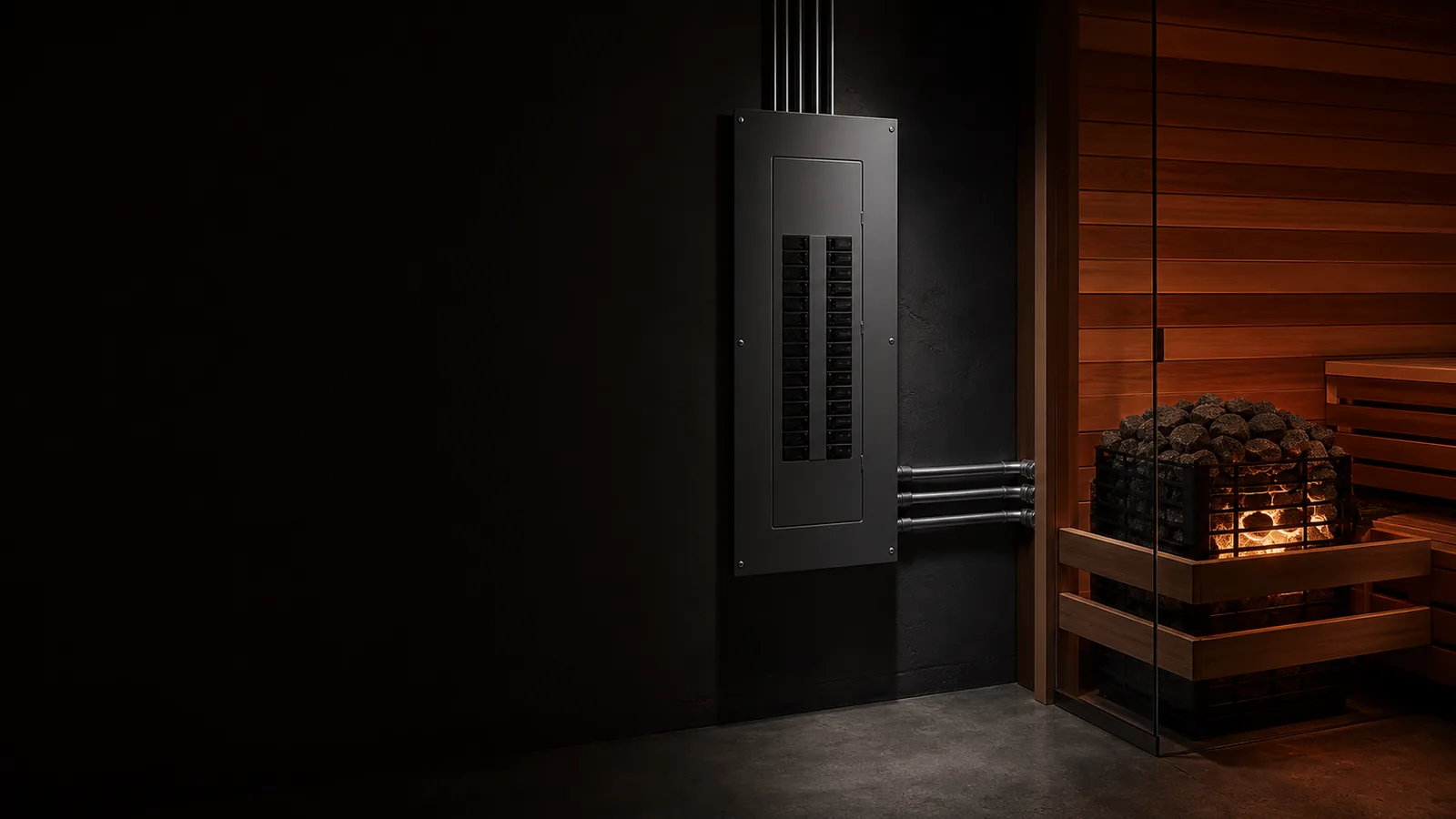
| Traditional electric | Dedicated 240V sized to heater kilowatts. | Forgetting panel capacity, disconnect, GFCI, or outdoor run distance. | Give the exact heater spec sheet to a licensed electrician. |
| Wood-fired | No circuit needed for the stove itself. | Clearances, chimney path, and local solid-fuel rules. | Treat code and venting as the planning work instead of wiring. |
Tier one: plug-in. Many compact infrared cabins are designed for a dedicated standard household circuit, typically 120V at 15-20 amps. "Dedicated" is doing real work in that sentence: the sauna should not share the circuit with other loads while running.
Tier two: dedicated 240V. Traditional electric heaters and larger or full-spectrum infrared cabins fall here. The heater kilowatt rating drives the circuit: as a common pattern, 6kW heaters pair with roughly 30-amp circuits, 8kW with 40-amp, and 9kW with 40-50 amp, always per the manufacturer spec sheet and local code rather than a rule of thumb.
Tier three: no electricity. Wood-burning stoves need venting clearances and a chimney rather than a circuit, which is why remote and off-grid builds default to them. Lighting for a wood-fired build is a separate, small decision.
The order matters. Cabin volume determines the heater size a manufacturer specifies; the heater size determines the circuit. A common planning heuristic for traditional saunas is roughly 1kW per 45-55 cubic feet of cabin volume, with outdoor and poorly insulated cabins needing more. Buy the cabin, adopt its specified heater, and give the electrician the heater spec sheet.
Budget honestly for the run itself. A 240V circuit added inside a house near the panel is a routine job; a trenched run across a yard to an outdoor pad is a project, and distance drives the cost more than the breaker does. Getting an electrician quote before ordering an outdoor electric build is the single best sequencing decision in this purchase.
Be cautious with any listing that does not state voltage and amperage plainly, markets a large cabin as "plugs into any outlet," or leaves the heater out of the package without saying so. None of these are necessarily disqualifying, but each is a prompt to check the spec sheet or contact the merchant before buying.
These modules use the structured catalog to make the guide actionable. Bands are for planning; merchant pages carry current offers, availability, and package details.
Affiliate disclosure: links in these cards may earn Sauna Decision Lab a commission. We keep the fit logic and watchouts visible so the product module stays editorial, not just commercial.
Compact cabins most likely to run on a standard dedicated household circuit. Verify the specific listing spec before purchase.
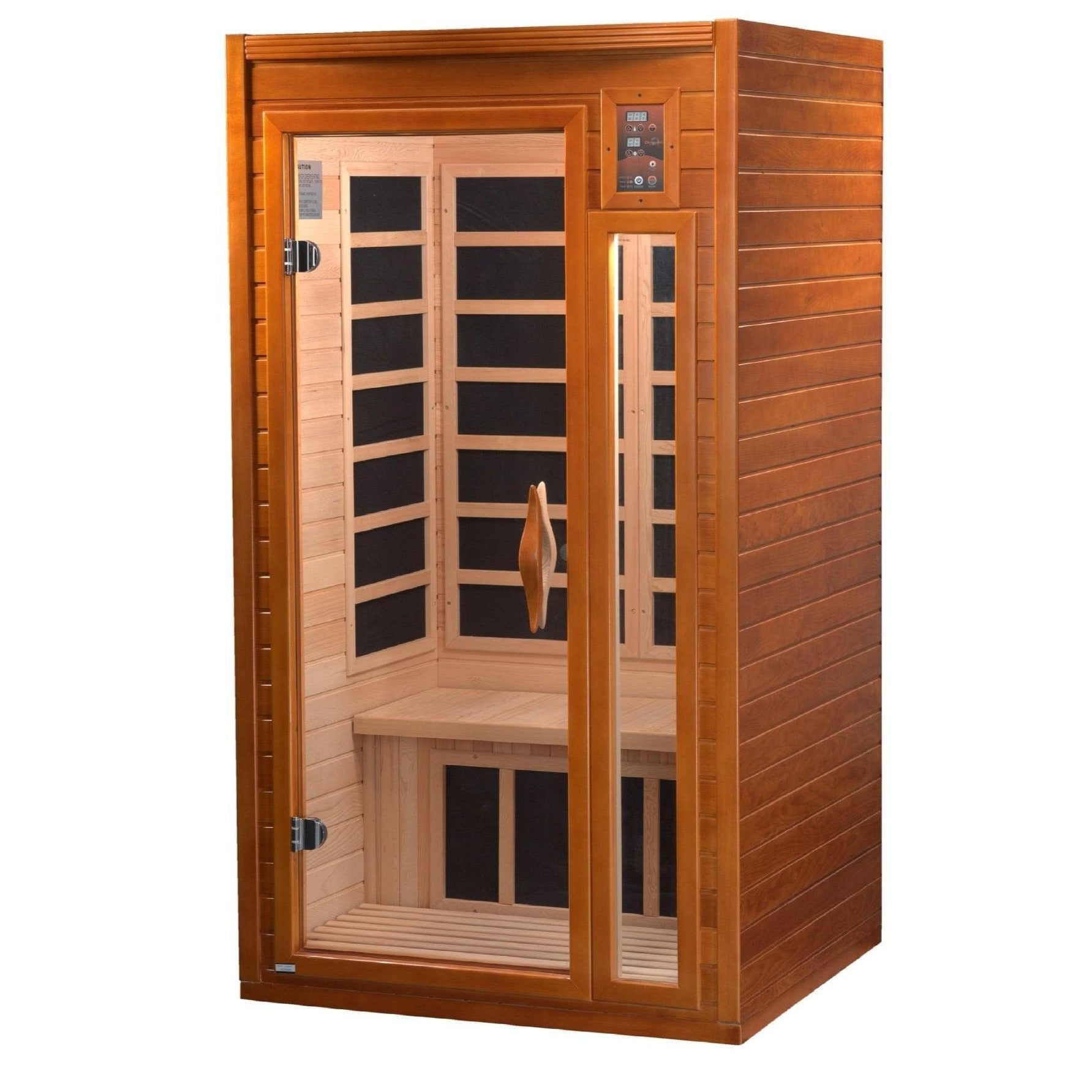
Dynamic Saunas Barcelona 1-2 Person Low EMF Far Infrared Sauna is an indoor infrared pick where repeatability matters more than peak temperature. Expect a 1-2 person layout, budget against the Under $3k band, and verify electrical needs and bench comfort before ordering.
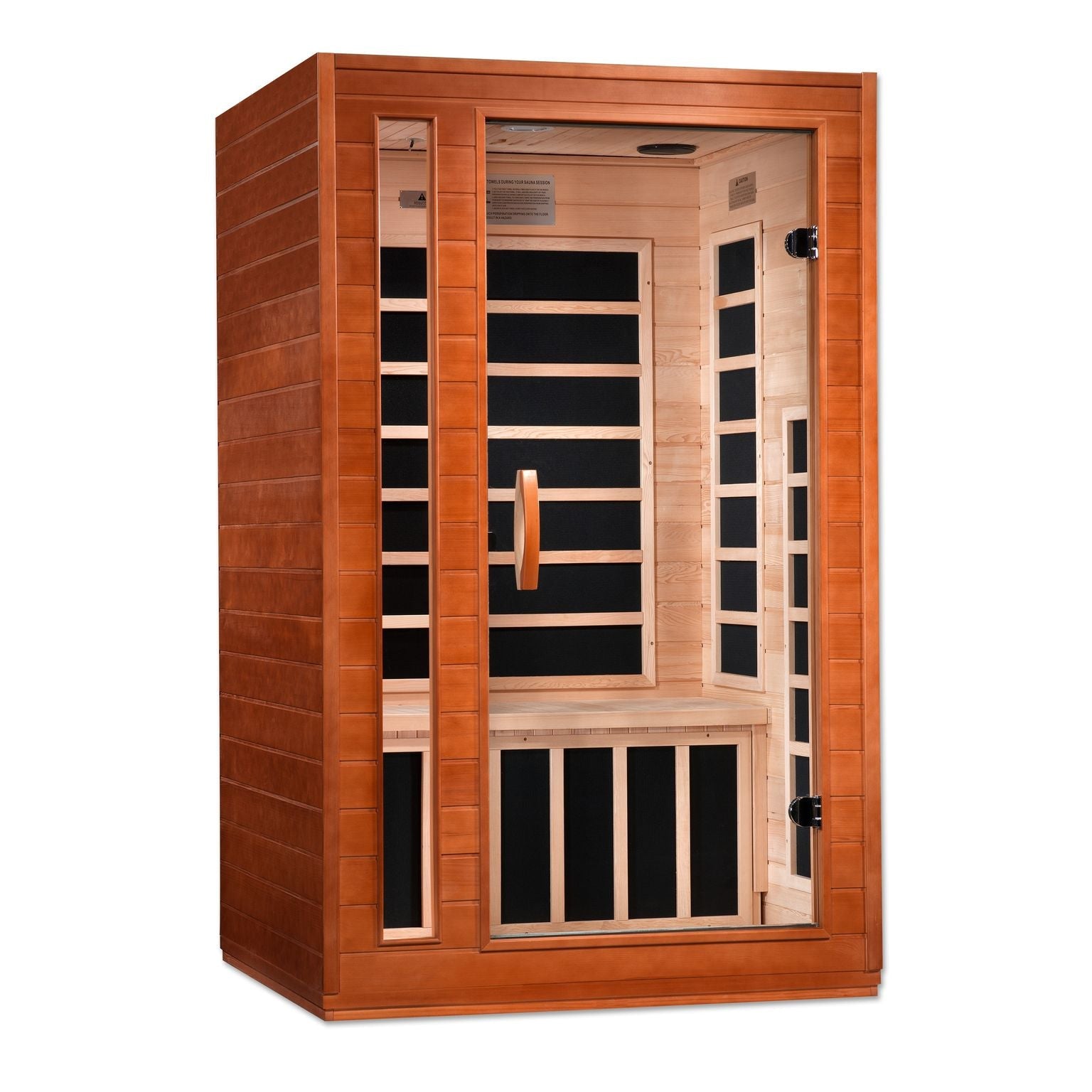
Dynamic Cordoba Elite 2-Person Ultra-Low EMF FAR Infrared Sauna suits buyers building an indoor routine around panel-based infrared heat, with a 2 person layout and pricing in the Under $3k band. Confirm room dimensions, circuit requirements, and the exact EMF and panel language in the listing.
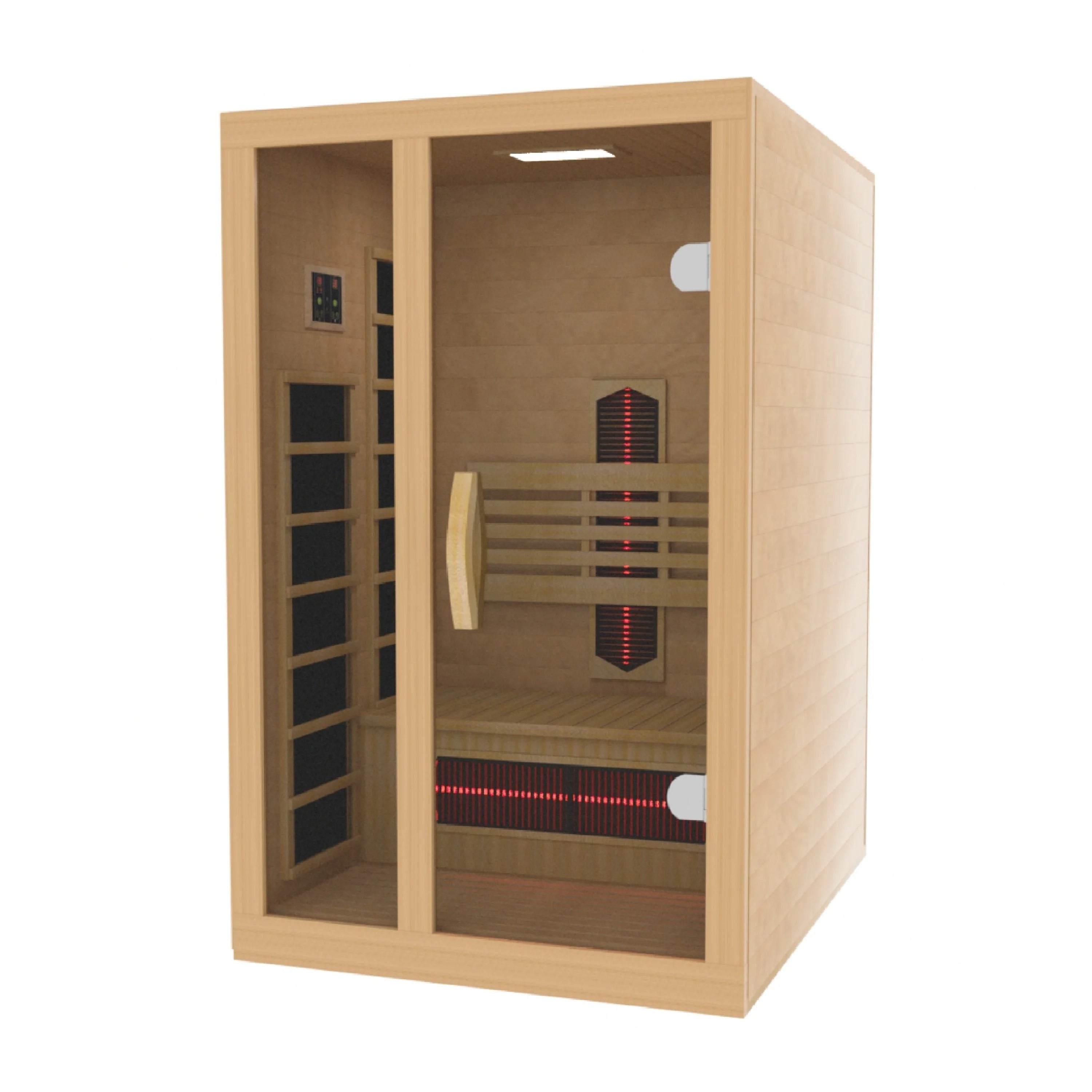
Dynamic Gracia 1-2 Person Full Spectrum Near-Zero EMF Far Infrared Sauna is an indoor infrared pick where repeatability matters more than peak temperature. Expect a 1-2 person layout, budget against the Under $3k band, and verify electrical needs and bench comfort before ordering.
Electric and wood-fired heaters from the catalog; match kilowatts to cabin volume per the manufacturer chart.

Cozy Heat Chimney Cover OG H700 Chimney Cover, Black Stainless Steel, for OG Sauna Stoves is a sauna heater listing: match it to your cabin volume, confirm electrical or wood-fired venting requirements, and verify controls and stone capacity against the room before buying in the Under $3k band.

Cozy Heat Chimney Cover SW H700 Chimney Cover, Black Stainless Steel, for SW Sauna Stoves is a sauna heater listing: match it to your cabin volume, confirm electrical or wood-fired venting requirements, and verify controls and stone capacity against the room before buying in the Under $3k band.

Cozy Heat Grid H500 Chimney Cover, Grid, Black Stainless Steel is a sauna heater listing: match it to your cabin volume, confirm electrical or wood-fired venting requirements, and verify controls and stone capacity against the room before buying in the Under $3k band.
Compact 1-2 person infrared models often can, on a dedicated 120V, 15-20 amp circuit. Traditional heaters and larger cabins generally cannot; they need a dedicated 240V circuit sized to the heater spec.
It scales with the heater: as a common pattern, 6kW pairs with about 30 amps and 8-9kW with 40-50 amps at 240V. The manufacturer spec sheet and local code govern the actual install, so treat these as planning numbers.
A short indoor 240V run near the panel is a routine electrician job; a trenched run to a backyard pad is a project priced mostly by distance. Get a quote for your specific run before ordering, because it can rival the heater cost.
No circuit is required for the stove itself, which is why off-grid builds use them. You trade the electrical project for chimney clearances, venting, and local solid-fuel rules, plus a longer heat-up ritual.